
Key Takeaways
- Lying flat at night allows stomach acid to flow freely into the esophagus – gravity is no longer working in your favor.
- Elevating the head of the bed by 6 to 8 inches can reduce esophageal acid exposure by up to 67%, according to clinical research.
- The American College of Gastroenterology (ACG) officially recommends the left lateral decubitus (LLD) position as a lifestyle modification for GERD. Head-of-bed elevation is also widely recommended, and combining both approaches yields optimal results.
- Not all elevation methods are equal – stacking pillows can actually make reflux worse, which is worth understanding before making any changes.
Nighttime heartburn is more than just an inconvenience. For millions of Americans, it means waking up with a burning chest, a sour taste in the throat, or a nagging cough—night after night. One simple change that may help is sleeping at an incline, which uses elevation to reduce nighttime reflux.
Over 60 Million Americans Get Heartburn Monthly – Many Suffer Worst at Night
More than 60 million Americans experience heartburn at least once a month, a statistic frequently cited by both the National Institutes of Health (NIH) and the American College of Gastroenterology (ACG). The ACG and other studies estimate that gastroesophageal reflux disease (GERD) – the chronic form of acid reflux – affects approximately 18% to 28% of U.S. adults, with 20% being a commonly cited figure.
What makes nighttime particularly difficult? Estimates ranging from 52% to 79% of people with GERD report symptoms at night, and these nocturnal symptoms frequently lead to significant sleep disruption – including difficulty falling asleep, frequent awakenings, and shortened sleep duration. Chronic sleep loss compounds the health toll of GERD considerably.
Why Lying Flat Makes Heartburn Worse
Gravity Works Against You
When standing or sitting upright, gravity keeps stomach contents where they belong – down. The moment the body goes horizontal, that natural barrier disappears. Stomach acid can migrate freely toward the lower esophageal sphincter (LES), the valve separating the stomach from the esophagus. In GERD patients, that valve is often not perfectly sealed, allowing acid to creep upward and produce that familiar burning sensation.
Saliva production also drops during sleep, reducing the body’s ability to neutralize acid. Combined with less frequent swallowing and prolonged time spent lying down, the esophagus ends up exposed to acid far longer than it would be during waking hours.
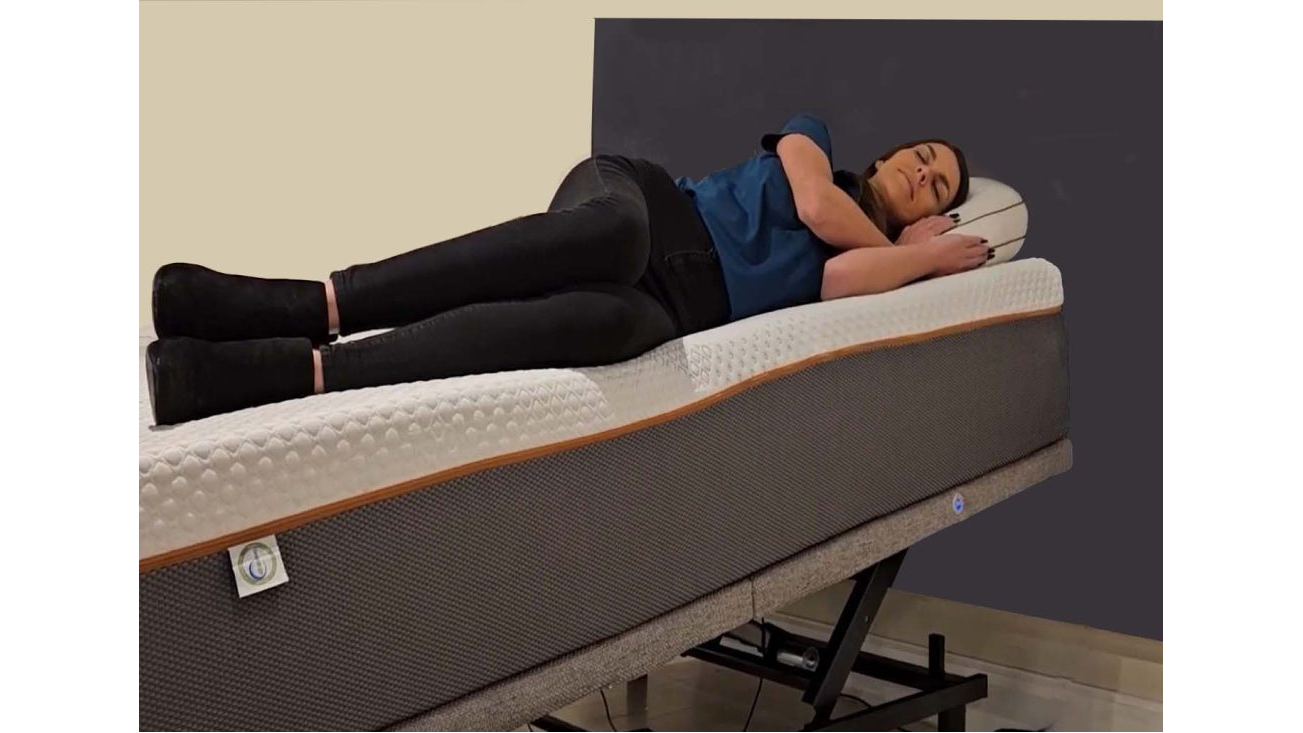
According to specialists at Incline Sleep, maintaining a consistent whole-body incline may help limit the backflow of stomach acid during sleep.
The Nighttime GERD Cycle
The problem tends to feed itself. Acid exposure irritates the esophageal lining, triggering micro-awakenings that fragment sleep. Poor sleep then increases pain sensitivity and stress – both of which can worsen reflux. Many people cycle through this pattern for years without connecting their sleep position to their symptoms.
What the Science Says About Elevated Sleep
Clinical Research on Sleep Positioning
Clinical research, including studies on sleep positioning devices, has shown that elevating the head of the bed produces measurable and clinically significant reductions in nighttime acid reflux symptoms for patients with chronic nocturnal reflux.
Up to 67% Less Esophageal Acid Exposure
The numbers behind elevated sleep are striking. Raising the head of the bed by 6 to 8 inches has been shown to reduce esophageal acid exposure by up to 67% – nearly two-thirds less acid contact with the esophageal lining, achieved without a single pill. For those who prefer a drug-free approach or want to reduce medication reliance, head-of-bed elevation stands as a genuinely powerful intervention.
Systematic reviews have echoed this conclusion, describing elevation as a cheap and safe alternative to drug-based interventions for GERD symptom relief.
ACG Guidelines Back the Left-Side Incline
The 2022 American College of Gastroenterology (ACG) guidelines formally recommend the left lateral decubitus (LLD) position – sleeping on the left side – as a lifestyle modification for managing GERD. This is an official clinical endorsement, not folk wisdom.
Why Left-Side Sleeping Protects the Esophagus
The stomach’s anatomy explains why side matters. When lying on the left side, the gastroesophageal junction – where the esophagus meets the stomach – sits above the level of gastric acid pooled in the stomach. This positioning makes it physically harder for acid to reach the esophagus.
Sleeping on the right side does the opposite: the junction dips lower, putting it closer to – or directly in contact with – pooled stomach acid. Research suggests that left-side sleeping can reduce reflux episodes by up to 71% compared to right-side sleeping. Combining left-side positioning with head elevation produces the strongest results.
Best Ways to Elevate Your Sleep Position
Wedge Pillows vs. Bed Risers
Two of the most practical approaches are wedge pillows and bed risers, and each has its place.
- Wedge pillows elevate the entire torso from beneath, creating a gradual incline that keeps stomach acid from traveling upward. Because they support the whole upper body rather than just the head and neck, they maintain the stomach-below-esophagus positioning that matters most for reflux control.
- Bed risers placed under the legs at the head of the bed raise the entire sleeping surface at one end, achieving the recommended 6-8 inch elevation across the full width of the mattress. This is particularly useful for couples or those who move around during sleep.
Why Stacking Pillows Can Backfire
Stacking standard pillows seems like a simple fix, but it tends to fold the body at the waist rather than elevating the torso evenly. This can actually increase abdominal pressure, pushing stomach acid upward more forcefully. Experts specifically caution against this approach as a substitute for proper elevation tools.
Adjustable Bed Frames
For a long-term, customizable solution, an adjustable bed frame allows the upper body to be raised to a precise, comfortable angle. The consistent incline reduces acid backflow and GERD symptoms while accommodating personal comfort preferences – a meaningful advantage for those who have struggled with bulky wedge pillows.
Other Nighttime Habits That Reduce Reflux
Sleep positioning is highly effective, but pairing it with a few additional habits compounds the benefit significantly.
- Stop eating at least 3 hours before bed. This window allows the stomach time to empty before lying down, substantially lowering the volume of acid available to reflux.
- Avoid trigger foods in the evening. Common culprits include alcohol, caffeine, chocolate, spicy foods, and high-fat meals – all of which relax the lower esophageal sphincter or increase acid production.
- Wear loose-fitting clothing to bed. Tight waistbands increase abdominal pressure, especially when the body is horizontal.
- Keep a consistent sleep schedule. Irregular sleep patterns can worsen GERD indirectly through disrupted digestion and increased stress levels.
None of these changes requires a prescription. Together with an elevated sleep position, they form a practical, drug-free nightly routine for managing reflux.
Why Sleep Position Deserves More Attention
For many people, nighttime heartburn isn’t just an occasional annoyance—it’s a recurring problem that disrupts sleep and affects overall well-being. While medications can help control symptoms, clinical guidance also recognizes sleep position as an important part of managing reflux, particularly when symptoms worsen after lying down.
For people experiencing recurring nighttime heartburn, incline bed therapy offers a practical, drug-free approach that works with gravity to help keep stomach acid where it belongs. While it should complement—not replace—medical advice or prescribed treatment, combining incline bed therapy with other lifestyle measures may help reduce nighttime discomfort and support more restful sleep.
Incline Sleep
4439 W Greenway Rd
Glendale
AZ
85306
United States


