
Key Takeaways
- The 360° and The First Class are Inca Rail’s two most distinct train experiences – one built for breathtaking views, the other for refined indulgence.
- Both trains travel the exact same route; what sets them apart is entirely what happens onboard.
- The First Class includes a three-course gourmet menu and wine pairing, while The 360° focuses on panoramic access with an open-air observatory car and Andean snacks.
- Prices vary significantly – The 360° runs roughly $125-$145 one-way, while The First Class can reach $425+ depending on the season.
- High season (May-September) fills up fast, and the right train depends on more than budget alone – keep reading to find out which one fits your travel style.
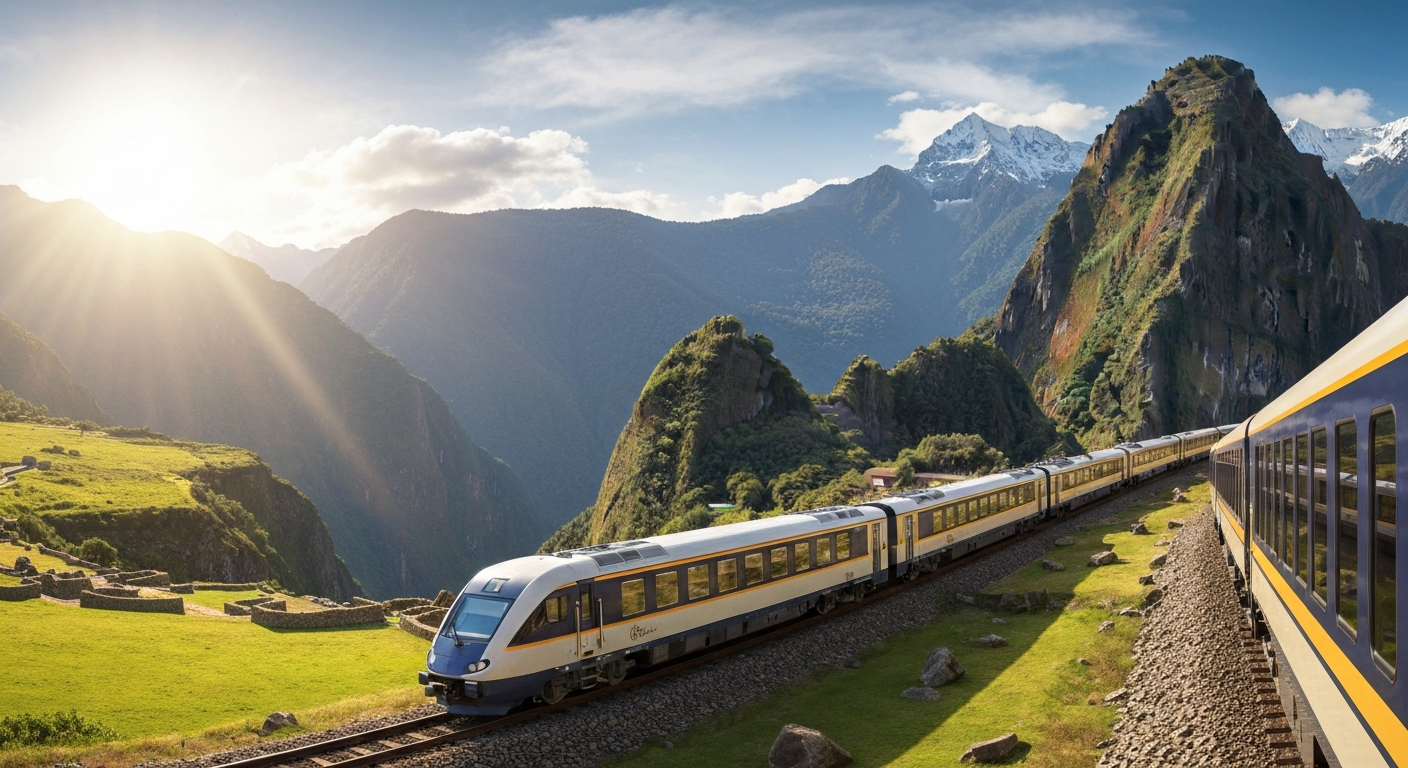
Getting to Machu Picchu is not just logistics – it’s the opening chapter of one of the most memorable trips a traveler can take. The route winds through the Sacred Valley, past Andean peaks, rushing rivers, and ancient villages. Whether that journey feels like a front-row seat to a nature documentary or a refined dining experience with scenery as the backdrop depends entirely on which train is chosen.
Same Route, Completely Different Rides
All trains to Machu Picchu run on the same tracks from Ollantaytambo to Aguas Calientes (Machu Picchu Pueblo), regardless of operator or service level. The scenery outside the window is identical. What changes dramatically is the world inside the carriage.
Inca Rail offers five train categories across this route: The Voyager, The 360°, The Prime, The First Class, and The Private. For travelers deciding between a panoramic-first experience and a luxury-first one, the comparison that matters most is between The 360° and The First Class. A full breakdown of all available services is at Inca Rail’s train comparison page, which makes it easy to weigh options side by side before booking.
The Case for Panoramic: Inca Rail’s The 360°
The 360° is designed around one core idea: nothing should come between the traveler and the Andes. A premium economy service, it earns its name through architecture, not marketing.
Open-Air Observatory Car and Extra-Wide Windows
The standout feature is the open-air observatory car – a dedicated space where passengers can step outside, feel the mountain air, and photograph the landscape without any glass in the way. Inside, seats are flanked by extra-wide panoramic windows with UV protection, giving even seated passengers an unobstructed, wide-angle view of the valley floor and cloud-forest canopy rolling past.
For photographers and view-chasers, this is the practical choice. Morning light through those windows hits the Sacred Valley in a way that’s genuinely hard to capture elsewhere.
Onboard Perks: Snacks, Live Music, and Messaging Wi-Fi
The 360° isn’t stripped-back despite its panoramic focus. The experience includes complimentary Andean-inspired snacks and beverages, live traditional music performed onboard, and access to an Info Train platform – an onboard Wi-Fi system built for messaging. It won’t stream video, but it keeps travelers connected while the Andes roll past.
The Case for Luxury: Inca Rail’s The First Class
The First Class approaches the same journey from a completely different angle. The destination is still Machu Picchu, but the train itself becomes a destination-worthy experience – something closer to a high-end restaurant on rails than a scenic commute.
Gourmet Dining, Wine Pairings, and Premium Drinks
The centerpiece of The First Class is its three-course gourmet menu with wine pairing. Passengers are welcomed with a pisco sour – Peru’s signature cocktail – before settling into a curated meal served with attentive, personalized service. The bar-lounge car offers premium drinks throughout the journey, and every detail of the dining experience reflects the kind of care usually reserved for upscale restaurants in Cusco or Lima.
Live Music, Kero Ceremony, and Exclusive Atmosphere
Beyond the food, The First Class builds atmosphere through cultural performance. Live music – including saxophone – creates an ambiance that feels celebratory rather than transitional. The Kero Ceremony, a traditional Andean ritual involving a ceremonial drinking vessel, adds a layer of cultural depth that’s rare to find on any train anywhere in the world. The carriage itself is calm, refined, and intentionally exclusive – not crowded, not rushed.
There is also access to an open-air observation balcony, so scenic views aren’t entirely sacrificed for comfort. The emphasis here, though, is unmistakably on experience over exposure.
Head-to-Head: Key Differences at a Glance
Price Gap: ~$125-$145 vs. $425+ One-Way
The 360° typically runs $125-$145 one-way, placing it squarely in the premium economy tier. The First Class sits at a significantly higher price point – commonly $425+ one-way depending on travel dates and demand, with some itineraries reaching higher during peak season. For a round-trip, that gap becomes a meaningful budget consideration for most travelers.
Views, Food, and Entertainment Compared
Feature The 360° The First Class Window Experience Extra-wide panoramic + open-air car Wide windows + open-air balcony Food and Drink Andean snacks and beverages (complimentary) 3-course gourmet meal + wine pairing + pisco sour Entertainment Live traditional Andean music, Info Train Wi-Fi Live saxophone, Kero Ceremony Atmosphere Immersive, open, adventure-focused Calm, refined, exclusivity-focused Price (one-way) ~$125-$145 ~$425+ (varies by season)
Which Traveler Does Each Train Suit Best?
The 360° is the right call for:
- First-time visitors who want the most immersive visual introduction to the Andes
- Photographers or nature lovers who won’t want glass between them and the landscape
- Budget-conscious travelers who still want a premium, memorable ride
- Families or groups where scenic access matters more than formal dining
The First Class makes more sense for:
- Travelers celebrating a honeymoon, anniversary, or milestone trip
- Those who want the journey itself to feel like a full experience, not just transport
- Anyone who values attentive, personalized service and fine dining over maximum window size
- Travelers who’ve already seen the route and want to experience it differently
Neither train is objectively “better” – they serve genuinely different travel philosophies. The honest question is whether the priority is seeing as much as possible or being as comfortable as possible while the same scenery passes by.
Practical Tips Before You Book
Book Early for May-September High Season
Train seats to Machu Picchu – especially on premium services like The 360° and The First Class – sell out well in advance during Peru’s dry season, which runs from May through September. Many travelers secure tickets months ahead, both for availability and to take advantage of early-booking discounts. Waiting until the last minute during high season is a risk not worth taking.
Luggage Limits and Departure Points
Regardless of which train is chosen, luggage limits apply. Inca Rail allows one bag per person, up to 8 kg (about 17 lbs). Larger bags can be stored at hotels or luggage facilities in Cusco or Ollantaytambo before departure. Packing light isn’t optional – it’s built into the experience.
Inca Rail trains depart from Ollantaytambo Station (approximately two hours from Cusco) or, for travelers using the bimodal bus-plus-train service, from Inca Rail’s Cusco office on Av. El Sol 843. All trains arrive at Machu Picchu Station in Aguas Calientes. Arriving at the station at least 30 minutes before departure is recommended, especially when the station is busy during peak travel periods.
Your Train Shapes the Whole Experience – Choose Accordingly
The route to Machu Picchu is one of the most scenic rail journeys in the world. Every service on that track delivers something worth remembering. The difference between arriving with 200 photos of cloud forest and arriving having just finished a pisco sour and a three-course meal while a saxophonist played in the next car – that difference is real, and it starts with the booking decision.
The 360° delivers the Andes in their most raw, accessible form. The First Class turns the journey into an occasion. One is an adventure; the other is a celebration. Both are worth it, just for different reasons – and different travelers.
See Inca Rail’s full range of train services to Machu Picchu and book the experience that fits the trip at incarail.com.
Inca Rail
105 Portal de Panes
Cusco
Cuzco
08002
Peru


